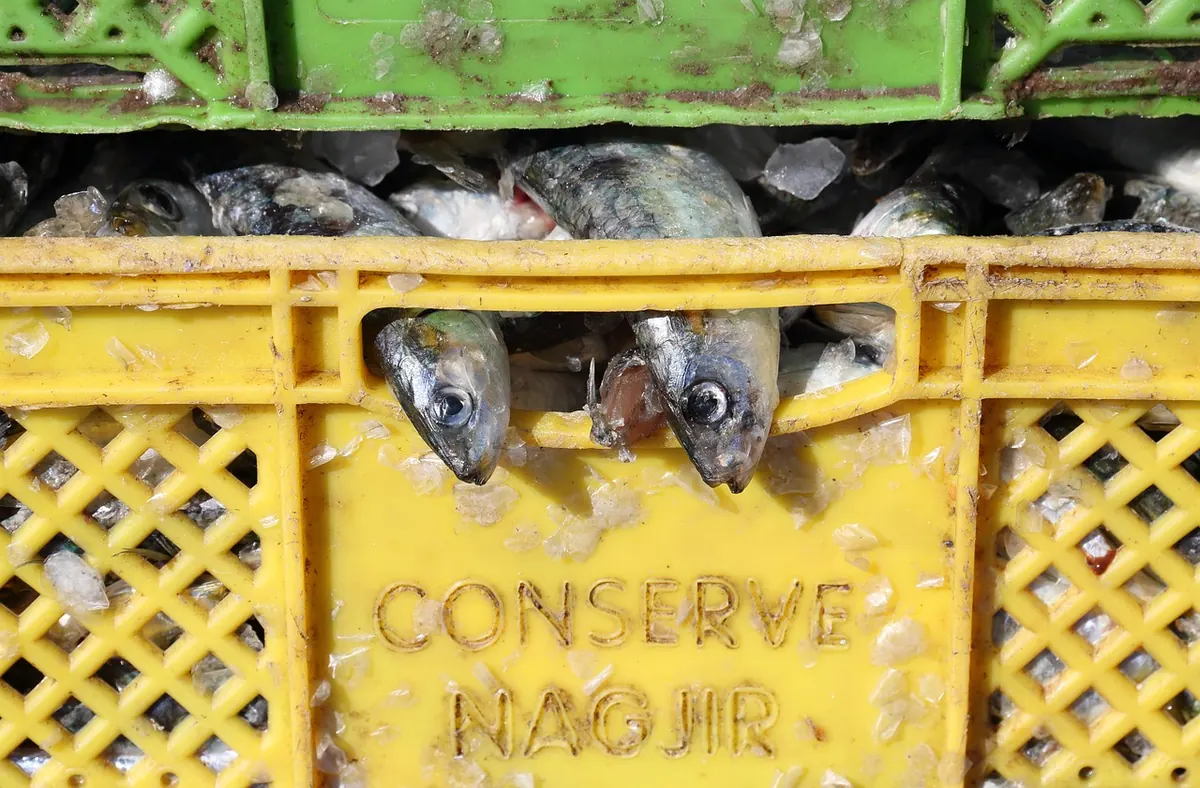
Photographing Local Harbor Culture: Fish Markets, Nets, and Daily Rituals
The harbor wakes in layers: gulls first, then diesel engines, then the clatter of crates along the quay. Photographing local culture is less about finding exotic subjects than about learning ordinary ones well. The fish market, the net loft, the hose coiled by a stern—these carry the character of a place if you give them time.
Learn the Rhythm Before You Raise the Camera
Spend the first hour without a camera. Watch which door the crews use, where the auctioneer stands, which aisle is a loading lane. Note when the ice truck arrives and when the coffee queue shortens. A harbor is a workplace with routes, and standing in the wrong one marks you as a visitor.
Introduce yourself to someone who looks less rushed—a stallholder, a deckhand, the person mending nets. Ask if you may photograph, and accept a no without negotiating. A small camera and one lens help you stay mobile and unobtrusive. Return the next morning. Familiarity does more for your pictures than any lens.
The Fish Market: Light, Gesture, and Consent
Markets reward patience more than boldness. The first ten minutes are a blur of unloading and shouted instructions; the pictures come after the work finds its pace. Look for the transaction: a hand weighing a fish, ice packed around fillets, a knife wiped on an apron. Those small exchanges carry more story than a wide shot of the whole hall.
Read the light before the action
Mixed light is the norm: cold daylight from the doors, warm bulbs overhead, maybe a fluorescent strip above the scales. Expose for faces and white ice, not the brightest lamp. Raise the ISO before you reach for flash; a flash can stop the room and make you conspicuous. If the market is dim, wait for a shaft of daylight to pick out steam or a stainless counter.
Work with people, not around them
Ask with words and with body language. Hold up the camera, point at the scene, and wait for a nod. If someone turns away, move on. Do not photograph arguments, injuries, or a person’s exhaustion for its own sake. Buy something—a coffee, a handful of shrimp—and ask a name. When you show the frame on the back screen, watch the face; it tells you whether you understood the moment.
Nets and Gear: The Grammar of the Harbor
Nets, ropes, floats, and knives are the harbor’s handwriting. A coiled line can show a whole morning’s work; a repaired mesh can show years. Move close, but do not rearrange the scene into a still life. Step around the object, use side light to reveal texture, and focus on the knot rather than the whole net. Shoot the tool in its place first, then make a detail.
Look for evidence of use
Salt crystals on a glove, a worn handle, tar on a sleeve, a float scraped by the quay—these marks are the story. A clean, decorative still life of rope says less than a close frame of wet twine against a dark hull. Keep the background simple enough to let the texture speak, but leave enough context to show where the object belongs.
Daily Rituals Between the Headlines
Daily rituals are where a harbor becomes a place rather than a backdrop. The first coffee before the tide turns. Hosing the deck. Loading ice. A mechanic bent over an engine while the owner holds a torch. Two fishers discussing weather with their hands. Photograph the between-times: the wait, the cleanup, the walk back with empty crates.
Repetition is your friend. Go three mornings and you will start to see the same gestures return, which is when you can anticipate them. Keep your distance during these routines. A longer lens can isolate a gesture without crowding. If you want a portrait, ask during a pause, not mid-task. The best frames often come after you have lowered the camera and someone has decided you are not a nuisance.
Technical Notes for Salt, Steam, and Mixed Light
Salt, steam, and spray are hard on gear, so simplify. One body, one or two lenses, a cloth in your pocket, and a bag you can wipe down. Set auto ISO and a minimum shutter speed around 1/250s for working hands; use a wider aperture only when you want separation. Shoot raw if you can, and check highlight warnings rather than reviewing after every frame. White balance can stay on daylight or auto—mixed light will need adjustment later, but do not neutralize the warmth completely. A polarizer can cut glare on wet decks and ice, though it can also flatten the sheen that makes a fish look fresh.
- 35mm or 50mm lens for working distance and context.
- Microfibre cloth and a spare, kept dry.
- Boots with grip; wet quays are not the place for smooth soles.
- Auto ISO, shutter priority, and exposure compensation.
- A small notebook or phone for names and captions.
- No flash in auction rooms or close to workers unless invited.
Edit for Truth, Not Drama
Resist the urge to make the harbor look grittier than it is. Crushed blacks, orange skin, and violent clarity turn people into props. Keep ice white, skin natural, and shadows readable. Clean dust spots, crop with care, and leave the clutter that gives the place its character. Edit a sequence, not just singles: wide shot, working hands, detail, portrait, and a frame that shows the weather. If you name people, spell names correctly and ask whether they want to be identified. A photograph can be honest and still generous.
A Practical Field Plan for a Harbor Morning
- Arrive before the action and walk the site without a camera.
- Ask permission where people are close, and respect a refusal.
- Start wide to establish place, then move to hands and details.
- Work the market’s pace, not your own; wait through the quiet gaps.
- Photograph gear and rituals after the main rush, when people relax.
- Back up your files the same day and write captions while memory is fresh.
Leave the harbor as you found it. Buy from the people who let you look, keep out of loading lanes, and carry your rubbish out. The photographs will be better for it, and you will be welcome back.
Photo: 2427999 / Pixabay