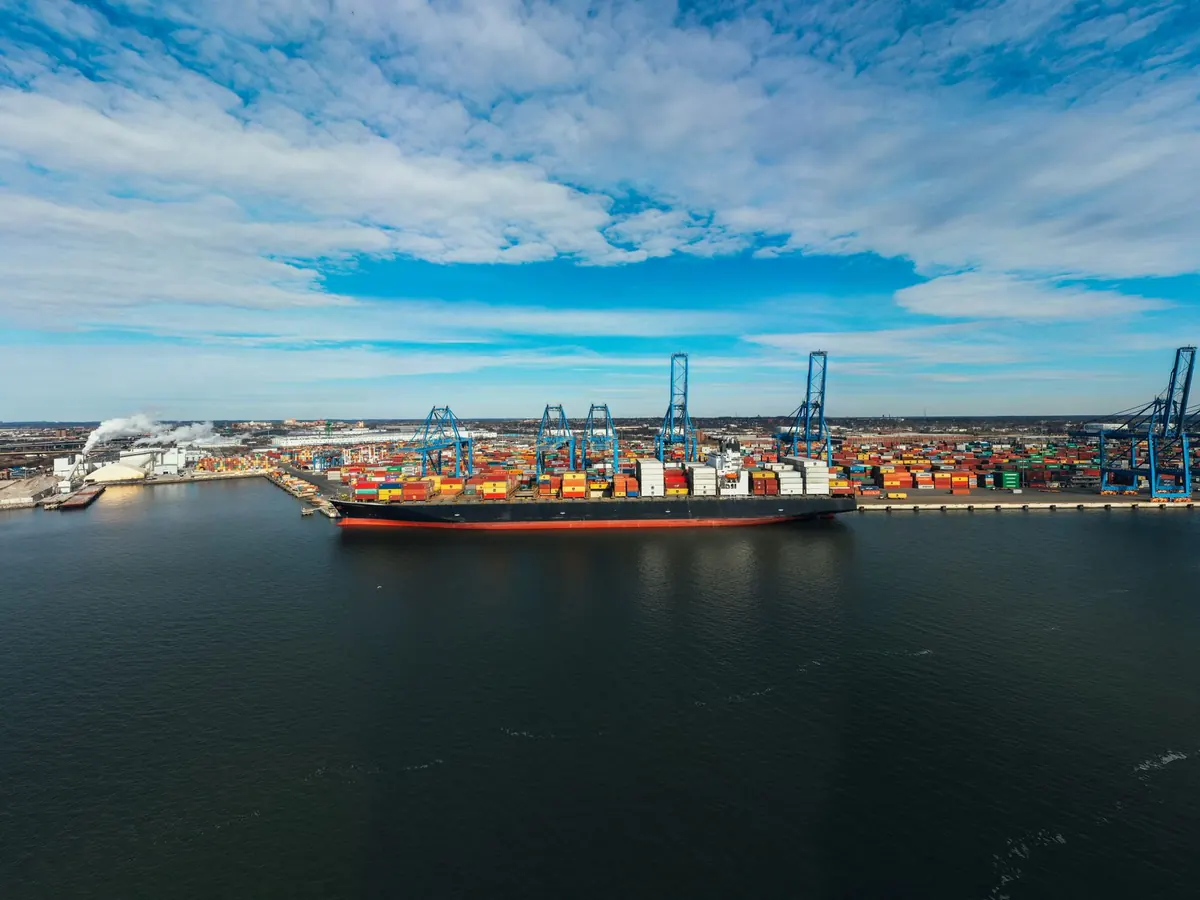
Small Marina vs Commercial Port: A Maritime Photography Comparison
Half past five in the morning at a small marina: halyards tapping against aluminium masts, a hose running somewhere, the smell of diesel and cold salt, and one man in a fleece untying a dinghy with the unhurried competence of someone who has done it ten thousand times. Twenty minutes away, behind a wire fence and a row of floodlights, a container terminal is having an entirely different morning. Straddle carriers are stacking boxes, a gantry crane is already working a hatch, and the scale of everything makes your 35mm feel like the wrong tool.
Both places are made of water, steel and rope. Both are genuinely photogenic. But they ask different things of you — different lenses, different patience, different manners — and the sooner you accept that, the better your pictures get.
Two scales, two kinds of light
A marina is a small room with a wet floor. Hulls, pontoons, canvas and varnished teak bounce light around, so even a hard midday sun leaves you with soft detail in the shade under a boom. This is forgiving light. It also means reflections are everywhere, and a still morning turns the water between two finger piers into a second, upside-down marina that is often more interesting than the real one.
Commercial ports are the opposite. Everything is far away, the horizon is enormous, and haze eats contrast by mid-morning. Light here is a broad event rather than a local one: a front moving over the basin, a bank of cloud dragging shadow across a hundred stacked containers, the last twenty minutes of sun turning gantry cranes into black geometry against an orange sky. You are not shaping light with your feet so much as waiting for the sky to do something and being ready when it does.
Access: the honest differences
Most marinas are semi-public. You can usually walk the quay, often the pontoons, and nobody minds a photographer as long as you are not standing on someone's stern or photographing into a cabin window. Gates and keypads are common, so ask at the harbour office. A short, specific request — "I'd like to photograph the pontoons early tomorrow, is there a bad time?" — gets a yes far more often than a vague one.
Commercial ports are a different proposition, and rightly so. Since the international ship and port facility security rules came in, terminals operate behind fences, gates and ID checks, and anyone wandering loose near moving machinery is a genuine hazard. Do not climb, do not talk your way past a barrier, and do not assume a small camera makes you harmless. What works instead:
- Ask the port authority in advance, by email, naming dates, your purpose and what you want to photograph. Weeks ahead, not hours.
- Accept an escort. A press or visitor pass with someone from communications walking with you is normal and will get you closer than any amount of charm at a gate.
- Dress for the site. Hi-vis vest, sturdy boots, no loose clothing. It signals that you understand you are in a workplace.
- Shoot from public ground. Headlands, harbour ferries, bridges, seawalls and elevated streets often give you the long view of cranes and berths without a single permission.
- Ask separately about drones. Ports and harbour authorities have their own rules, and airspace near terminals is commonly restricted.
The visual rhythm: slow water, continuous machinery
A marina runs on human time. People arrive at eight, potter, drink coffee, sand a hatch, take a boat out on the tide and come back in the afternoon. Nothing much happens and the nothing is the subject: a coiled line, a bucket, a dog asleep on a pontoon. You can work the same forty metres for an hour and keep finding frames.
A commercial port runs on shift time and tide windows. It does not care that the light is beautiful; it cares that the pilot boat is alongside at 06:40. The movement is choreographed and repetitive — trucks queueing, a tug turning, a crane trolley running out and back — which is actually a gift. Watch one operation for ten minutes, learn its cycle, and you can predict when the container will hang against the sky.
What to point the camera at
In a small marina
- Reflections in flat water between the pontoons, shot low and close.
- Rope: mooring lines as leading lines, knots, figure-eights on a cleat, frayed ends.
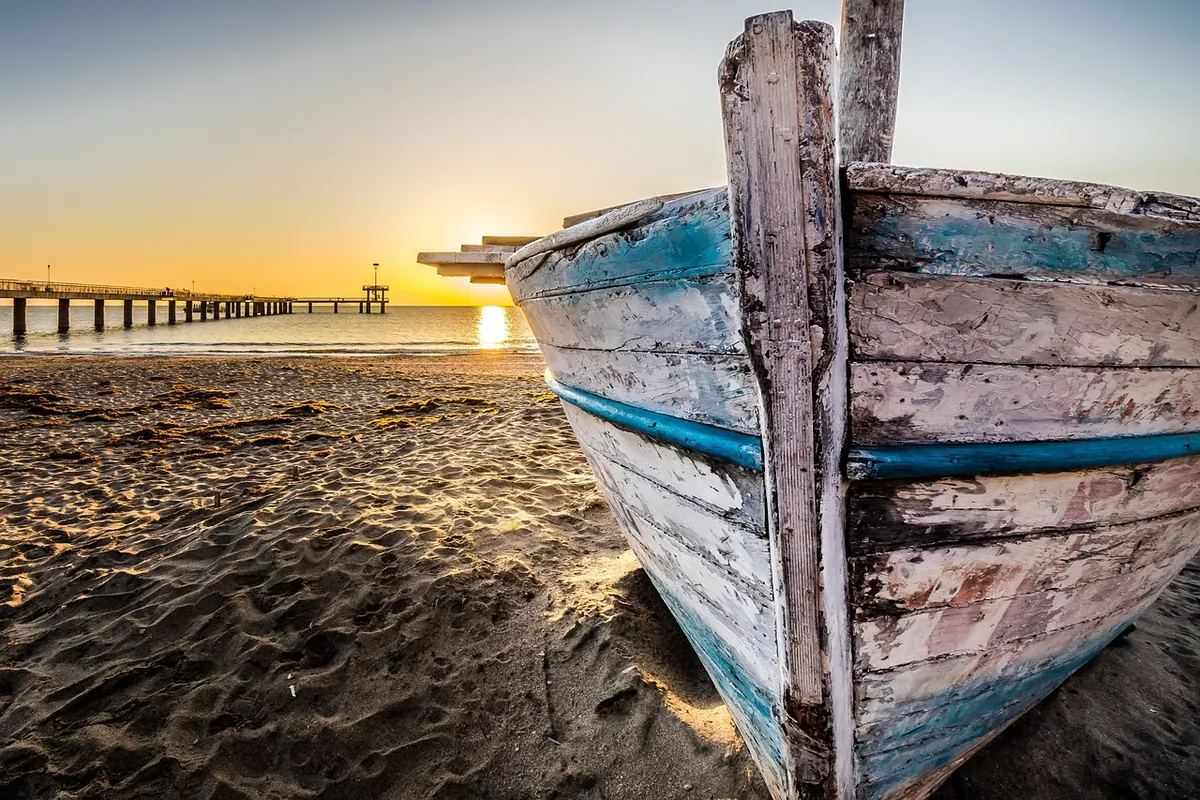
- Surfaces with history — peeling varnish, faded lettering, patched canvas, rust blooming under a stanchion.
- Boat names and registration numbers, which make lovely graphic details.
- Sunrise through a forest of rigging, if you can get under it.
- People working: the dinghy rower, the man with the hose, the couple arguing gently about a sail cover.
In a commercial port
- Crane geometry — the diagonal struts and lattice make strong graphic frames.
- Container stacks as colour grids, especially from a distance with a long lens.
- Tug wash and bow waves, which give you motion in an otherwise static scene.
- Pilot boat transfers, buoys, channel markers and dredgers at work.
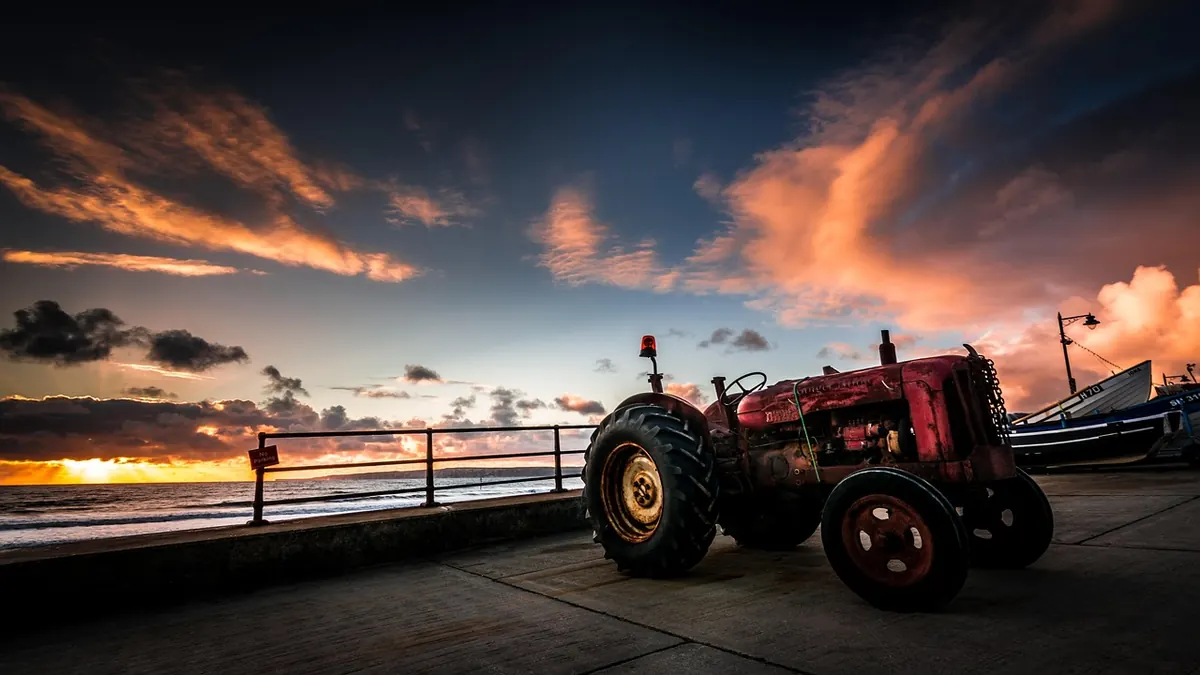
- Silhouettes at dusk, when machinery reads as shape rather than detail.
- Night shift: floodlights, sodium and LED mixed, long exposures of crane movements.
Lenses, settings and salt
In a marina, a standard zoom covers almost everything, and a fast prime is lovely for the shaded interiors of cockpits. A polariser helps you see through surface glare into the water; used carelessly it also kills the reflection you wanted, so check both ways. Keep the horizon straight — on water, a one-degree tilt is instantly visible.
For a commercial port, reach matters more than speed. A 70–200mm, or longer if you have it, lets you compress a row of cranes into a single stack of shapes and pulls distant operations into the frame. Expose for the highlights on white superstructure and let the shadows sit; check the histogram rather than the screen. For moving machinery, 1/500s and up freezes it cleanly; for light trails at night, a tripod and several seconds do the opposite and often look better.
Salt is the real enemy. Wipe the front element often, keep a dry cloth in a pocket, and do not change lenses in wind on a quay. A clear plastic bag with a hole for the lens hood is unglamorous and works.
Staying safe and staying welcome
At a marina, watch your footing: wet timber and green weed on a slipway are treacherous, and mooring lines under load can move fast enough to injure. Do not step onto a boat without asking. If a liveaboard closes a curtain, that is your cue to turn the camera elsewhere, and children on a pontoon should be photographed only with a parent's clear agreement.
In a commercial port, never turn your back on water at an edge, never walk in a truck lane, and stay well clear of anything suspended. If an escort tells you to move, move first and ask afterwards. A photographer who is easy to supervise gets invited back.
A practical day that covers both
Start at the marina for first light, when the water is still and the pontoons are empty. Work close: details, reflections, one wide frame from the quay head. By eight the place belongs to boat owners again, so stop, have breakfast, and review what you have.
Spend the afternoon at a public vantage over the commercial port — a headland, a ferry crossing, a high street end — with the long lens on and the tripod in the car for dusk. If you can arrange an escorted visit, take it, but treat the public view as your baseline so a refusal never ruins the day.
Then edit the two sets side by side. The contrast is the point: quiet human detail against industrial scale, one morning's soft reflection against one evening's hard silhouette. Shot with the right manners and the right lens, the small marina and the big terminal stop being different subjects and start being two halves of the same harbour.
Photo: K / Pexels