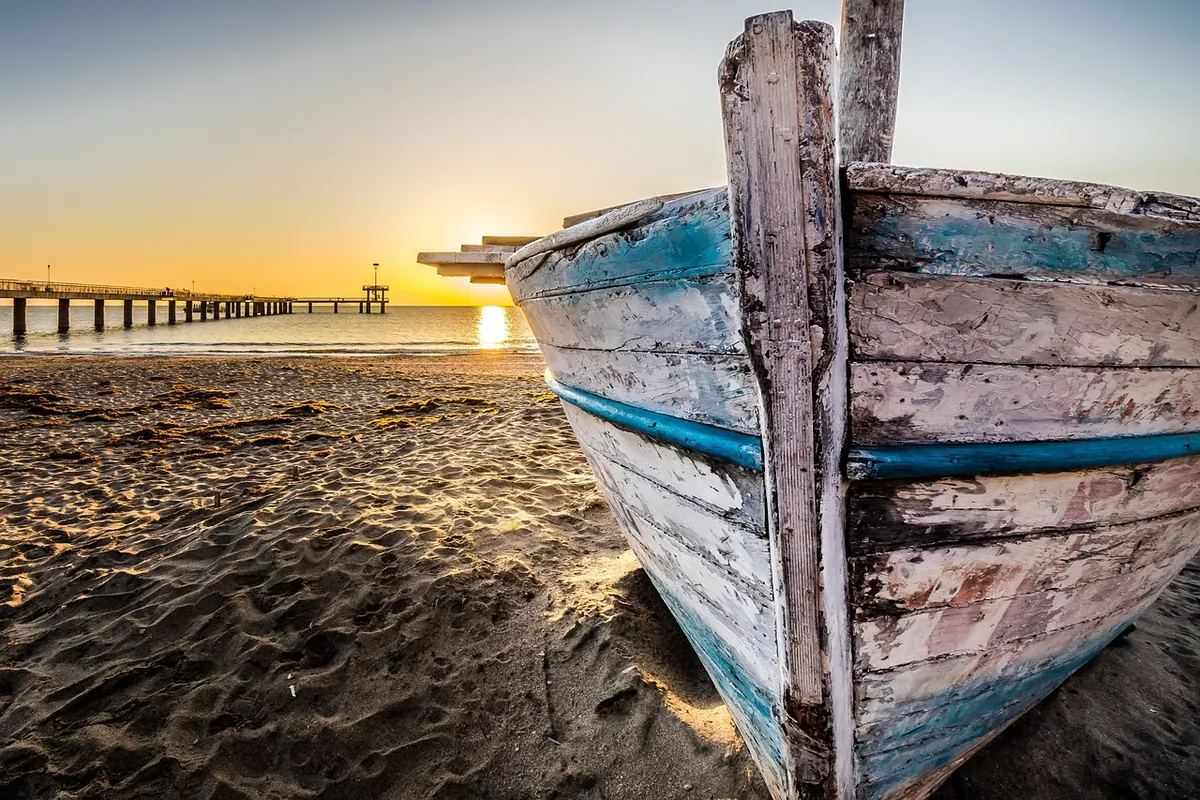
Researching Maritime Stories: How to Caption and Contextualize Harbor Photos
A boat name caught in the afternoon light can be more than a detail in a photograph. It can be the first line of a story. The trouble is that harbor images are dense with information that looks obvious until you try to write about it. Which Lucia is this? Is the spelling right? Was that net stored on the quay last spring or five years ago? Good captions and context do not come from guessing. They come from a small, repeatable habit: record what you see, ask people who know, check what you can, and write only what the evidence supports.
Whether you are publishing a photo essay, posting a single frame, or keeping a personal archive, the same method works. It keeps your work accurate and turns a attractive harbor shot into a useful record.
Begin with the name on the boat
The name is usually the easiest thread to pull, and the easiest to get wrong. Photograph the transom, the bow, the life ring, the dinghy, and any painted name board. If the vessel has a hailing port, record that too. Take a second frame wide enough to show the name in relation to the hull, because paint fades and lettering styles are hard to read later.
Write the name exactly as it appears, including accents, spaces, and punctuation. If the transom says Maria Maddalena, do not shorten it to Maddalena in the caption. If a local fisherman calls the boat La Maria, note that as a nickname, not as the official name. Ask how the owner pronounces it. Ask whether the name has a story: a family member, a saint, a previous vessel, a joke that stuck. That answer may be the difference between a label and a caption.
Where names hide
Look at the tender, the fenders, the wheelhouse door, the life ring, and the registration sticker. In small harbors, the name may be painted in three places and misspelled in one. Photograph all of them. Compare the frames before you type a single word.
Read the harbor's visual clues
Names are only one layer. Hull shape, rigging, gear, and paint tell you what kind of work a boat does and how the harbor is changing. A wooden gozzo with a small outboard and a stack of traps is not the same subject as a steel trawler with a winch and ice hold. Look for registration numbers, flags, buoy colors, and the way lines are coiled. These details are evidence, not decoration.
Make a field note for each frame: place, date, time, tide if relevant, and what caught your eye. If you cannot identify a piece of gear, describe it plainly: "a metal frame with a roller, mounted on the starboard side." That is more useful than a wrong technical term. Later, ask a boatyard worker or a fisherman to name it.
Ask better questions, then listen
Harbor people are often generous with information, but they are also busy and wary of being misquoted. Start with a simple introduction: who you are, what the photo is for, and how much of their time you need. If you plan to record, ask first. If you plan to publish, say so. Then put the notebook away for a minute and listen.
Open questions work better than yes-or-no questions. "What changed here in the last twenty years?" will get you further than "Did the ferry stop in 1998?" The first invites a story; the second invites a guess. When someone gives you a date or a name, repeat it back: "So the boatyard moved to the north side after the storm?" That gives them a chance to correct you.
- Ask what the boat is used for now, and what it was used for before.
- Ask who built it, if anyone remembers, and where the work was done.
- Ask what the harbor looked like when they were young, without demanding exact years.
- Ask which details outsiders usually get wrong.
- Ask if there is someone else you should speak with.
Take notes on the setting as well as the answers. A quote about winter fishing lands differently when you know it was said beside a stack of cracked traps. Keep names and contact details in your notebook, and follow up politely if you need to check a spelling.
Turn details into a caption, not a lecture
A caption has a job: it tells the viewer what they are looking at and why it matters. Start with the concrete. Name the vessel, the place, and the action. Add context only as far as the photograph can carry it. A 40-word caption can do a lot; a 200-word essay under a single image usually does too much.
Example: The wooden gozzo Lucia is hauled out at the east quay for caulking, a spring job that keeps the hull tight before the summer season. The boat has worked the same harbor for three generations, according to its owner, though the family now uses it mainly for short trips.
Notice what the example does not do. It does not claim the boat is the oldest in the harbor. It does not turn the owner's memory into a hard fact. It attributes the family history and keeps the rest visual. That balance is what makes a caption trustworthy.
A simple caption formula
Subject + action or condition + place + date + one line of verified context. If you only know the subject and place, write only those. A short accurate caption is better than a rich one built on assumption.
Verify before you publish
Check the spelling of every name against a photograph, not memory. Check dates against your field notes. Check place names against a local map or sign. If two people give different versions of a story, say so or leave the disputed detail out. "Local accounts differ" is honest; inventing a tidy resolution is not.
Keep a fact log for each photo: what you saw, what you were told, who told you, and what still needs checking. If you photograph identifiable people, ask permission before publishing and respect a refusal. A harbor is a workplace as well as a backdrop.
Build a story from small, checked pieces
Context does not have to mean a long history. Sometimes it is one sentence about why the boat is tied where it is, what the yellow buoy marks, or how the morning catch is unloaded. The strongest maritime stories often grow from a chain of small, accurate details: a name, a gear type, a remembered route, a change in the quay.
When you have several photographs, arrange them like evidence. Start with the wide view, move to the name and gear, then let an interview detail carry the human side. Write captions that can stand alone, because readers often meet images out of order. Keep a separate page for local history sources: library files, museum displays, harbor office records, old newspapers, and family photographs. Ask before copying, and credit sources when you publish.
A practical routine for the next harbor walk
Before you leave, pack a small notebook, a pen, and a way to record audio if you have permission. At the harbor, photograph the name and hailing port first, then the wider scene. Note the date and place. Speak to one person if the moment is right, and ask one open question. At home, compare your frames, write the spelling exactly, and mark anything you are unsure about. Then write the caption with only what you can support. Do that a few times and your harbor photographs stop being attractive backgrounds. They become small, reliable stories that someone else can trust.
Photo: Anestiev / Pixabay