Working Port Life: An Ethical Photo Checklist for Documenting Dockworkers
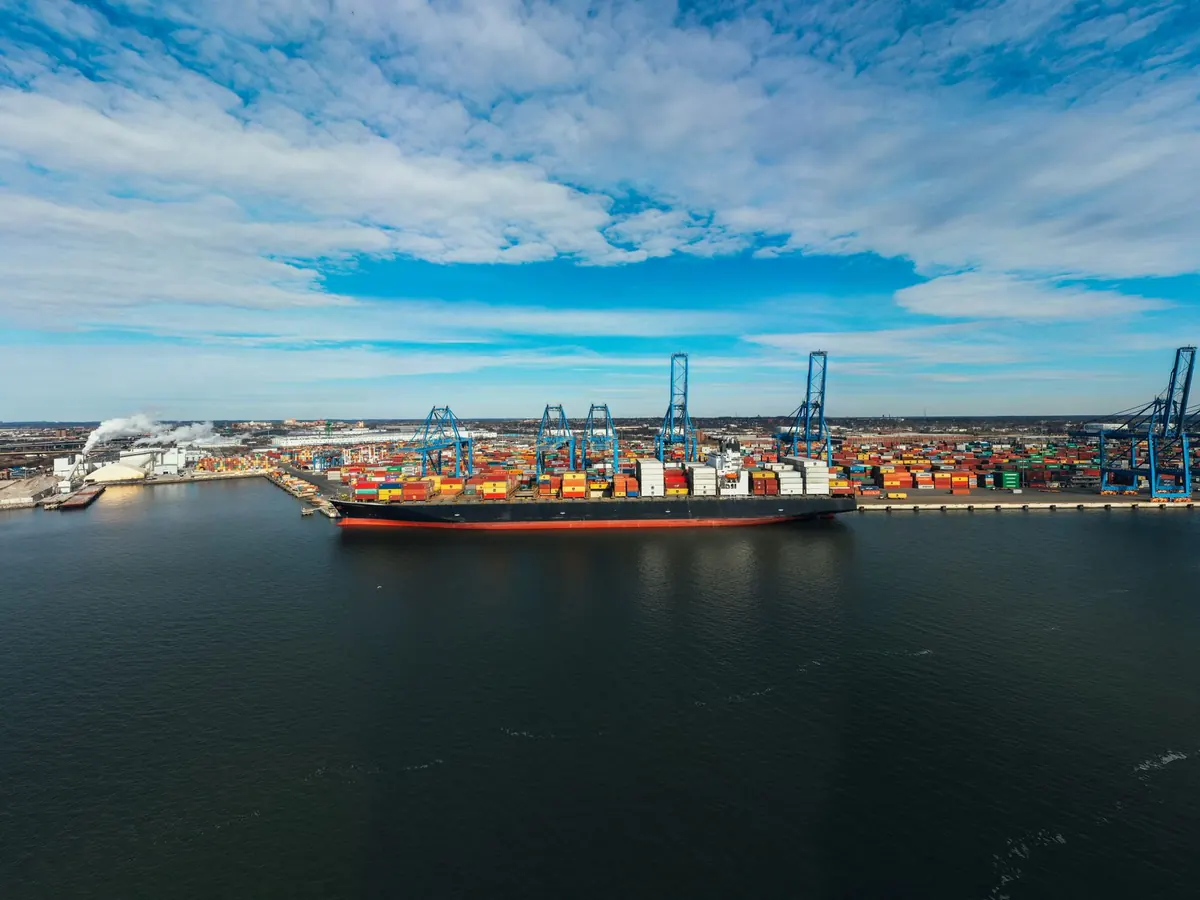
The gate opens before sunrise and the port is already loud. Gantry cranes run their test moves, a straddle carrier reverses with a beep you feel in your chest, and someone in a hi-vis vest walks fast toward a lashing cage with a coffee in one hand. This is the moment most photographers want to raise the camera. It is also the moment to slow down. Documentary photography of work — real work, not a posed figure against a container — depends on being invited back. What follows is written to help you make pictures worth keeping without costing anyone their dignity, their safety or their patience.
Permission Has More Than One Layer
A port is not a street. Access usually runs through the terminal operator or port authority for the site, and through the stevedoring company for the people working it. Ask early, ask in writing if that is how the site works, and expect to be asked what the pictures are for. "An editorial piece about port work" is a fine answer. "I'll see what happens" is not.
Then there is the layer that matters most on the day: the gang foreman or supervisor who actually runs the shift. Introduce yourself before the safety briefing if you can, and say plainly where you will stand and what you want to photograph. A foreman who knows your face will point you toward the good vantage points and pull you back when a load is coming.
Finally there is the individual worker. Site permission is not personal consent, and a signature on a form does not oblige anyone to be in your frame. Ask the person, not just the company. If your pictures might be used for anything beyond editorial — a brochure, an advertisement, a client's annual report — you need a proper written release, and you should say so up front. Access rules, insurance requirements and release conventions vary widely between ports and countries; check what applies where you are working, and take local advice rather than assuming.
Safety Comes Before the Frame
No picture is worth a near miss. Ports are built for machines, not people: blind corners, reversing vehicles, suspended loads, cables under tension, wet steel, and wind that changes the plan without warning.
Where to stand
- Stay inside the areas your escort has cleared, and stay with your escort. If you get separated, stop and call — do not improvise a shortcut.
- Never step into a vehicle lane, a hatched exclusion zone or under a load, even for two seconds. Straddle carriers and reach stackers cannot see you.
- Keep clear of lashing and twist-lock work. The equipment swings, and the people using it are watching the container, not you.
- Do not talk to a signaller, crane driver or truck driver mid-move. Wait for the pause. A distracted hand signal is a real risk.
- Walk backwards only when someone is spotting you. Otherwise turn around.
Gear that keeps you visible
Wear the PPE the site requires — hi-vis, helmet, boots, eye and hearing protection where specified — and wear it properly. A photographer who ignores the rules gives every photographer after them a worse reception. Long lenses let you stay out of the working area, which is both safer and better manners. Skip flash entirely: it startles people operating machinery, and it flattens the light that makes a port look like a port.
Asking in a Place Where Nobody Can Hear You
Dockworkers wear hearing protection and stand next to engines. A shouted question from ten metres away gets you a shrug, and a shrug is not a yes. Learn the rhythm of the shift: the walk in, the break, the wait between moves. Those are the minutes when a conversation is possible.
Keep the ask short. "I'm photographing the lashing work for a story about port jobs — is it all right if I shoot from over there?" Then accept the answer, including the one you did not want. If someone says no, that is not an obstacle to work around; it is a boundary, and it applies to the frames you already made of them too.
Camera down helps. People agree to being photographed more readily when they can see your face and your hands are empty. Show them the frame on the back of the screen if they ask — most will, and it defuses the suspicion that you are collecting something unflattering. If you could not ask first because the moment was genuinely transient, ask afterwards, and delete if the answer is no. That is the deal.
Photograph Skill, Not Just Sweat
There is a tired visual grammar to labour photography: the backlit silhouette, the exhausted slump, the dramatic squint into the sun. It flatters the photographer and flattens the worker. Dock work is skilled, and the pictures get better when you show it.
Get close to the detail. The glove worn through in one spot, because that is where the rope runs. The tally sheet with its columns of numbers. A twist lock turned, a lashing rod hooked, a radio clipped to a collar. Hands are the most honest subject on a quay. So are the small domestic objects: the flask, the sandwich in foil, the spare pair of socks on a wet day.
Watch the same job for twenty minutes before you shoot it and you will start to see the pattern — the step back, the glance up, the pause where the next move is decided. Anticipate that pause instead of firing at everything. A dozen considered frames beat four hundred that all say "industry".
The Frames You Should Not Make
Some pictures are not yours to take. Skip anything that maps the port's security: gate codes, camera positions, screening and customs areas, screens showing manifests or container numbers, paperwork on a desk, vehicle registrations. If you would not photograph it at an airport, do not photograph it here. When in doubt, ask your escort, and treat a vague answer as a no.
Then there are the human limits. An injury, an argument, a telling-off from a supervisor, someone asleep on a pallet after a night shift — these may be honest, but they are also the moments when a person is least able to refuse. Ask afterwards, always, and be ready to lose the picture. Ask, too, before making a frame that would let a stranger identify someone to an employer or an official. Not everyone wants to be findable.
Captions, Credits and the Second Visit
A photograph of a worker is a photograph of a named person doing a specific job. Write down the name, spelled correctly, and the real job title — lasher, crane operator, tally clerk, checker, driver — while you are standing there. Get the terminal right. Check the date. A caption that says "a dockworker" when you know the name and the craft is a small act of erasure.
Send something back. A few prints, or a link to the gallery, dropped at the supervisor's office a week later, changes how you are received next time. It tends to produce better access than any email. And if you plan to reuse the pictures, stick to the use you described. Editorial frames quietly relicensed into advertising, or handed to a stock library, are the fastest way to close a port to photographers.
A Field Checklist for the Day
- Before: confirm site permission and an escort, sort insurance and PPE, and reduce the purpose of the pictures to one sentence you can say out loud.
- On arrival: check in, attend the safety briefing, meet the foreman, and ask where you may and may not stand.
- While shooting: stay out of lanes and exclusion zones, no flash, long lens, ask before faces, and note names and job titles as you go.
- If challenged: lower the camera, explain, offer to show the frame, accept the answer.
- After: check captions, deliver the prints or the link, and log what you promised.
None of this slows a good photographer down for long. It simply means the pictures you come home with are ones the people in them can live with — and that the gate opens again the next time you knock.
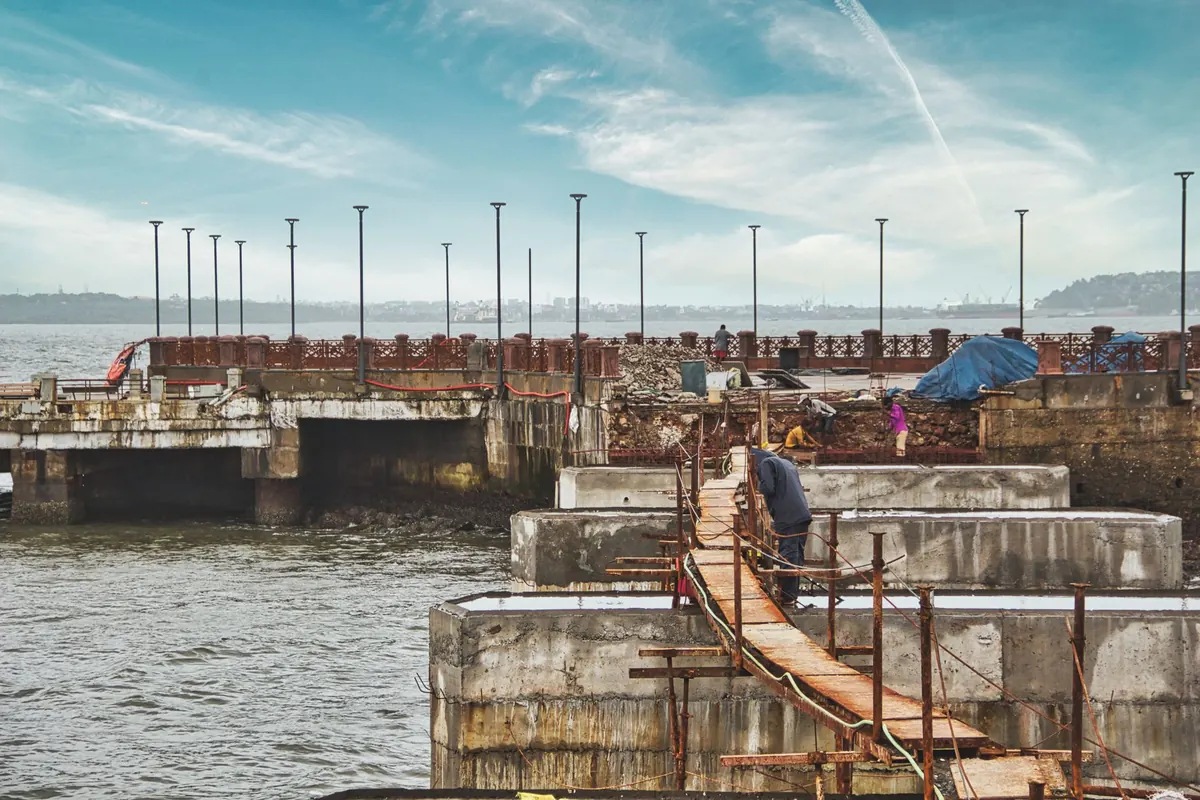
Photo: Setu Chhaya / Pexels