Seasonal Harbor Photography: What to Shoot in Every Season
Walk the same quay in January and July and you photograph two different harbours. Winter strips a port back to its structure: pilings, chains, the grey line of a breakwater vanishing into mist. Summer fills every gap with colour and noise — fenders stacked on decks, families on the pier, tarpaulins snapping in a warm breeze. The place has not moved. The light, the water, the people and the weather have changed around it.
That is the quiet advantage of harbour photography. You do not need a new destination every month. You need to know what each season hands you and what it takes away. What follows is a working calendar: subjects worth chasing, the problems each season creates, and composition ideas to try while you are there.
Winter: Mist, Silence, and Long Shadows
Fog is the great gift of a harbour winter. It compresses the scene into layers — a near piling, a middle rank of masts, a far crane fading to nothing — and the effect is graphic rather than descriptive. Expose carefully: fog reflects light and fools the meter into underexposing, so start around +0.7 to +1 EV, check the histogram, and protect any pale sunlit patches from clipping. Shooting into the light gives you rim-lit silhouettes of rigging and gantries that read beautifully against a white sky.
The empty quay is your subject, and empty space is the point. Give the marina's vacant berths room in the frame. Slow shutters turn harbour chop into glass. Then drop to the details: frost fringing a bollard, ice in a mooring eye, a rope coiled on wet timber, gull tracks across a pontoon.
Two practical notes. Cold drains batteries fast, so keep spares in an inside pocket. And when you step from the cold into a warm car or café, seal the camera in a bag and let it come up to temperature slowly; condensation on the sensor is a miserable way to lose an afternoon. Watch your feet, too — icy pontoons and algae-covered slips are genuinely dangerous, and no photograph is worth a soaking in winter water.
Spring: Refits, Ropework, and Returning Colour
Boatyards wake up before the season does. Hulls come out of the water on stands, sanding dust hangs in the air, and fresh antifouling appears in hard blues, reds and greens. This is close-range work: ladders, trestles, tarpaulins, paint tins, a hand wire-brushing a keel. Take a short lens and photograph at eye level rather than from the usual standing position.
Light is still low and generous, but the days are stretching. Early mornings now give you still water in the marina and mist that burns off by nine. Spring wind is useful, not a nuisance: a rippled surface adds texture where a flat summer harbour can look dull. Fishing boats get their nets repaired, gulls claim the pilings, and the first charter crews start scrubbing decks. Follow the tide table as well as the forecast — the largest tidal swings around the full and new moon open up slips, mud and harbour walls that stay underwater the rest of the month.
Summer: Colour, Crowds, and Hard Light
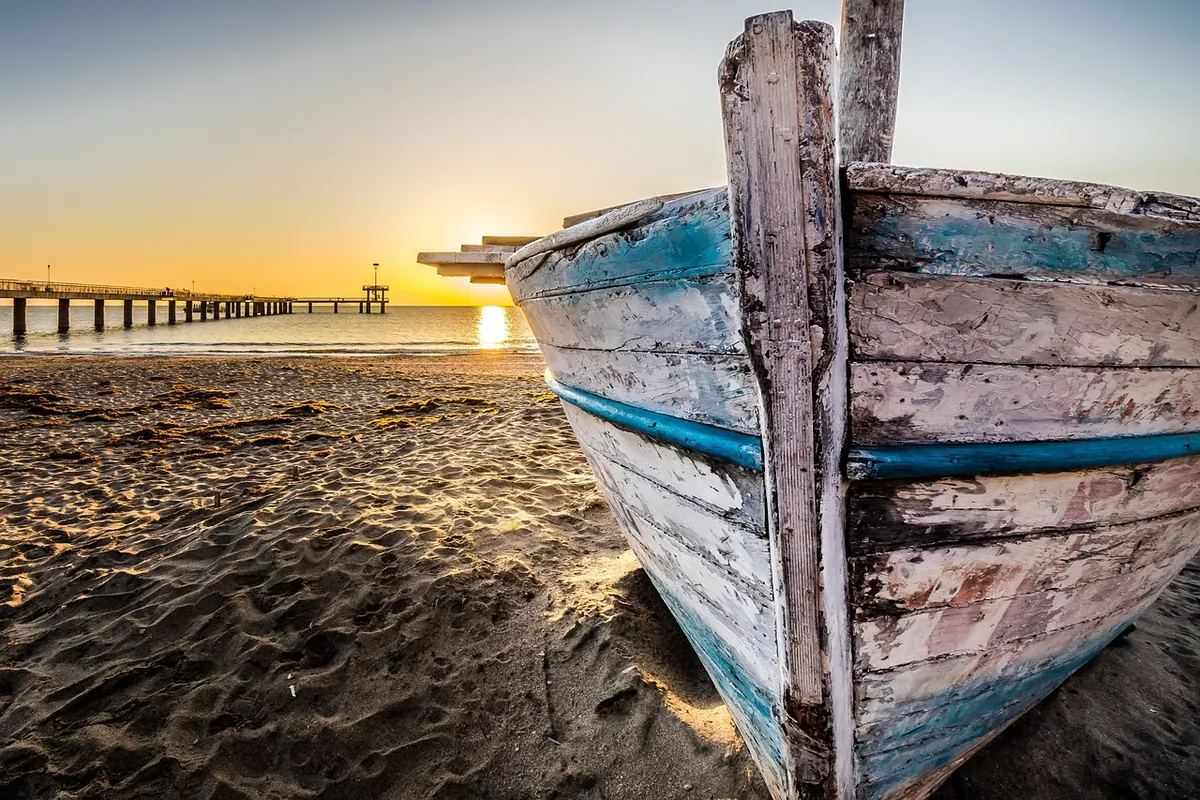
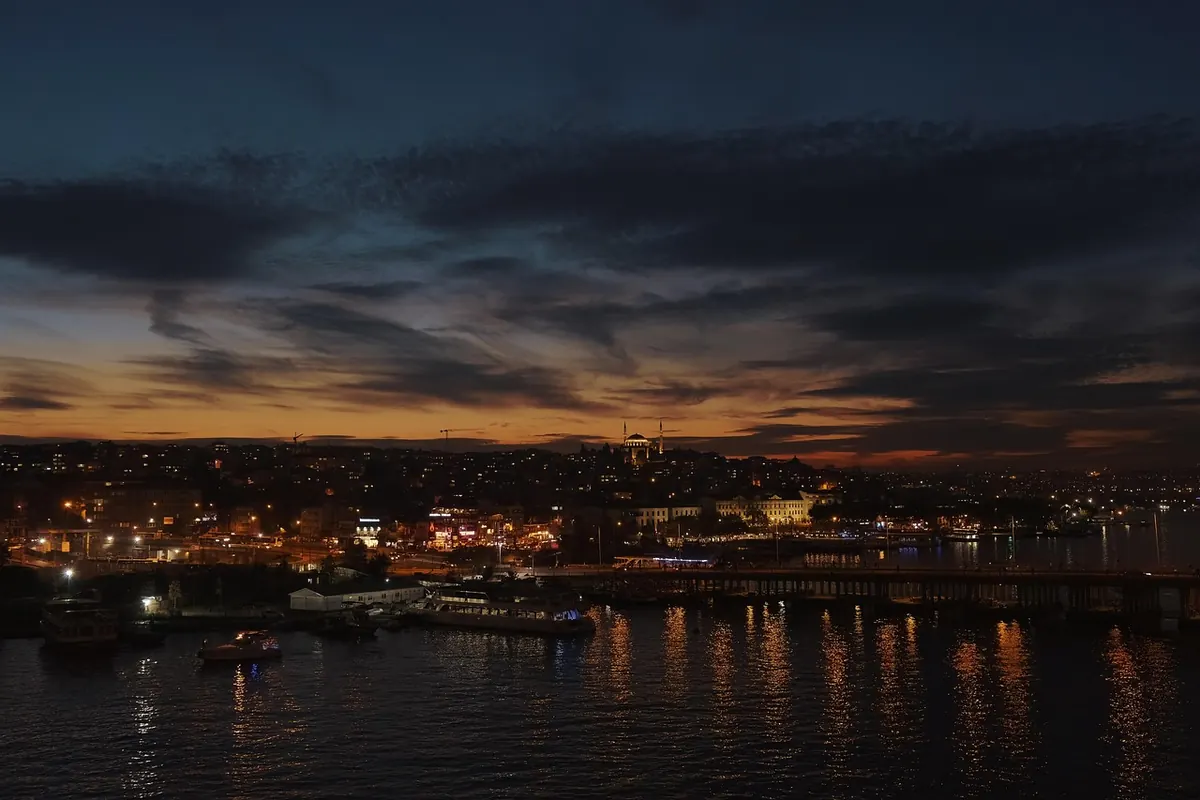
Midday in July is the hardest light of the year over water. White gelcoat blows out, shadows go black, and the scene flattens. Work the edges of the day instead: before eight in the morning, after six in the evening. When you are caught out at noon, find open shade under a shed or awning, or meter for the bright hulls and let the shadows sit dark — that contrast can be the picture.
A polariser is worth carrying, with a caveat. It cuts glare on the water surface and lets you see into the shallows, but it also kills the reflections that make a harbour interesting, so rotate it slowly and decide which you want. On a wide lens, watch the sky: polarisation is uneven across a wide field and one corner may go noticeably darker than the other.
Summer is also the season of people. Fish markets at dawn, ferries loading, someone coiling a line on a stern, kids jumping off the pier. Ask before photographing faces close up — a nod at the camera and a gesture usually settles it — and put the camera down if the answer is no. Afternoon storms are worth waiting for: the light that arrives just behind a summer squall is often the best of the week.
Autumn: Storms, Cloud, and the Working Port
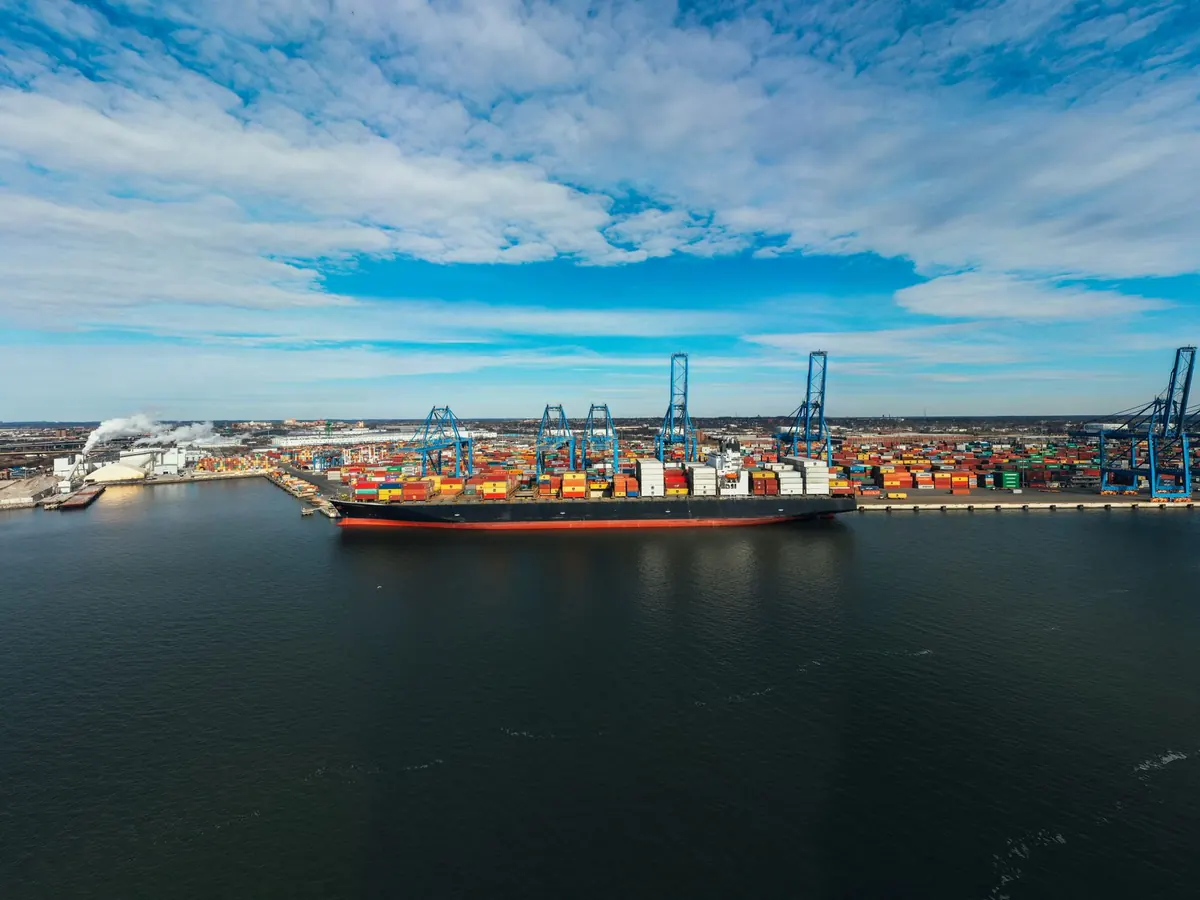
Autumn skies over a harbour are the best of the year. Fast-moving fronts put dark water and a shaft of sunlight in the same frame, and the picture arrives while you stand there. Waves breaking on the breakwater, spray backlit by a low sun, containers and cranes stacked against grey cloud — this is the season when the working port looks like itself.
Shoot storms with a long lens from a safe distance rather than from wet rocks at the water's edge. Spray carries further than you think, and a wave that looks manageable from the car park is not manageable from the slipway. Autumn also brings the sunrise back to a civilised hour, which means you can be on the quay for first light without a 4 a.m. alarm.
Exposure is the puzzle of the season: bright sky, dark water. Meter for the water and let the highlights go, or bracket and decide later.
Weather Days: When the Forecast Helps You
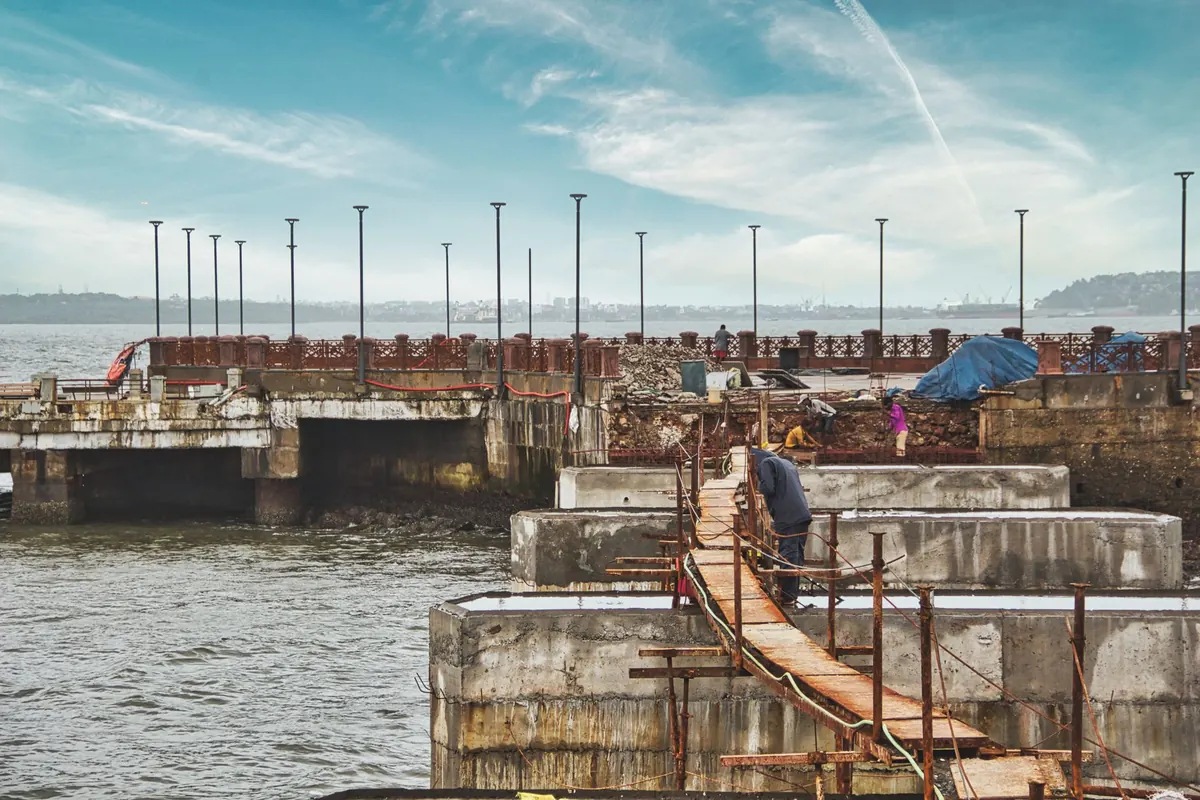
A grey forecast is not a reason to stay home. Overcast light is ideal for texture — rust, rope, wet timber, peeling paint — because there are no hard shadows cutting across the detail. Rain gives you reflections in the puddles on the quay and saturated colour on hulls and crates; take a rain cover, a cloth and a lens hood, and shoot from under an awning.
The hour after a front clears is the prize. Watch for it, and be in position rather than driving. Before leaving the house, check three things: the marine forecast, the tide table, and any harbour notices about closed areas or works. Wind is the one condition that genuinely limits you — a tripod on an exposed pier will vibrate, so shelter behind a wall, keep the legs low, and skip the long exposures until it drops.
Composition Ideas That Work in Any Season
- Follow a line in. The edge of a quay, a jetty, a mooring rope, a row of bollards. Harbours are full of leading lines; use them deliberately.
- Frame through something. A doorway, a gap between containers, the arch of a crane, the space under a pier.
- Add scale. One figure at the end of a long pier tells the viewer how big everything else is.
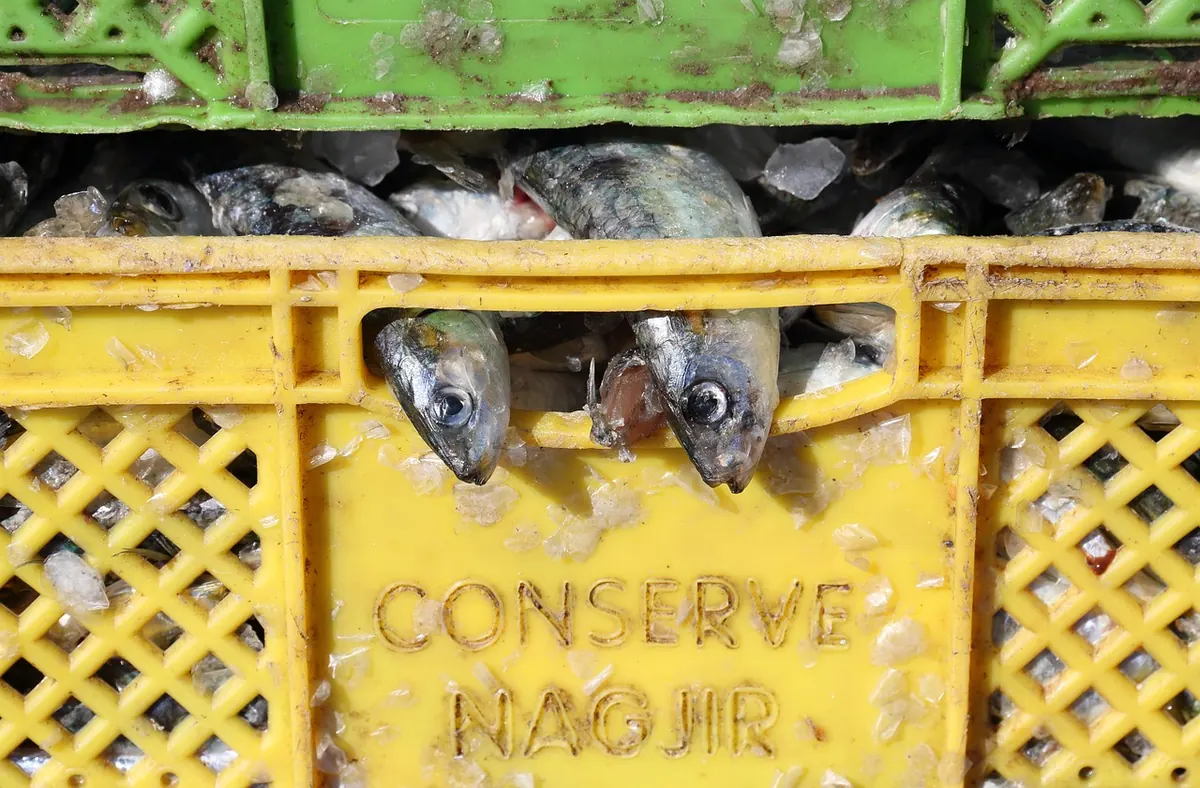
- Work the foreground. Wet cobbles, a coiled rope, a fish crate, a bollard's chipped paint. Something in the bottom of the frame that says "harbour".
- Change your height. Lie down on the pontoon. Climb the steps for the overhead view of berths and gangways.
- Decide what the horizon does. Keep it level, then choose whether the sky or the water earns more of the frame — and commit to the choice.
- Return to one viewpoint. Pick a single spot and shoot it across twelve months. The set will say more about the harbour than any individual frame.
A Short Field Checklist
Before you leave, check the tide, the sunrise and sunset times, and the marine forecast. On arrival, walk the perimeter once with the camera still in the bag — you will see the composition before you start fiddling with settings.
- Shoot the wide view first, while the light is still what you came for.
- Then move in for the details: rope, rust, fittings, hands at work.
- Wipe the front element before you leave; salt spray dries into a haze that ruins the next morning's shots.
- Rinse and dry your gear properly at home, especially if it has been near salt water.
And respect the place you are photographing. Commercial docks, boatyards and restricted areas are workplaces, not sets — read the signage, ask before you enter, and step aside for anyone carrying something heavy. The harbour does not owe you a picture. It gives you one anyway, most days, if you turn up in the right season and wait for the light to do its part.
Photo: umutizgi / Pixabay